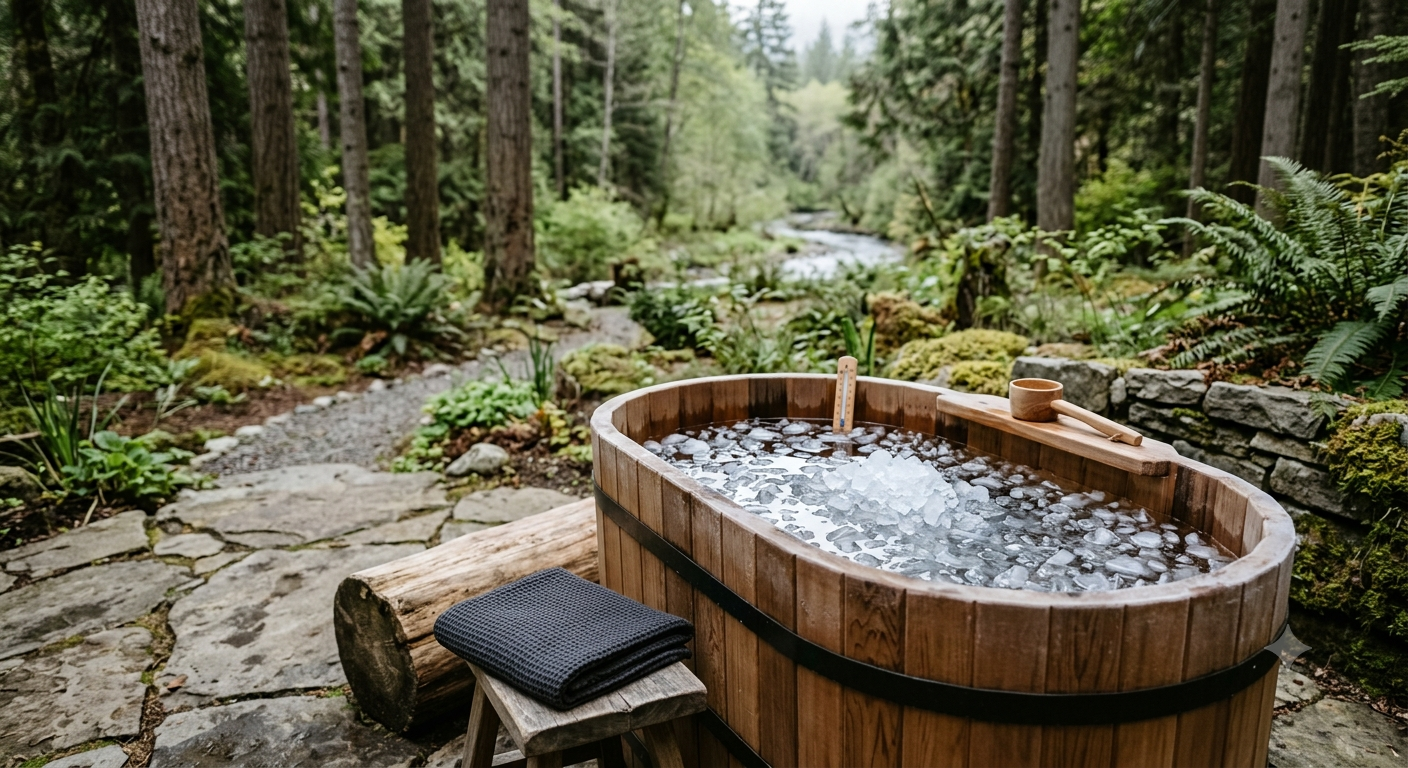
Cold plunge tubs have gone from niche biohacker equipment to a mainstream home wellness purchase. The popularity is real — but the evidence behind it is more mixed than the marketing usually lets on, and it's worth separating the two.
What's reasonably well-supported
Cold exposure does appear to have real, if modest, benefits for mood and acute inflammatory recovery after intense effort. Many people also report a genuine short-term boost in alertness and a feeling of accomplishment, which shouldn't be dismissed even where the physiological evidence is thinner.
Where it's genuinely contested
The most important caution: cold exposure immediately after strength training may blunt some of the muscle-building adaptations you're trying to achieve, since part of that adaptation relies on the same inflammatory process cold exposure is designed to reduce. If muscle growth is a priority, current guidance leans toward saving cold exposure for non-lifting days, or waiting several hours after a strength session rather than jumping in right after.
How it compares to the fundamentals
Recovery research this year is fairly consistent on one point: sleep remains the most evidence-backed recovery tool available, and it's free. Cold exposure, saunas, and similar tools are reasonable additions on top of that foundation — not substitutes for it, and not likely to compensate for poor sleep or inadequate nutrition.
The bottom line
If you enjoy cold plunges and they fit your budget and routine, there's a reasonable case for the mood and recovery benefits — just time them thoughtfully around strength training, and don't expect them to outperform sleep, protein, and consistent training as the actual foundation of recovery.