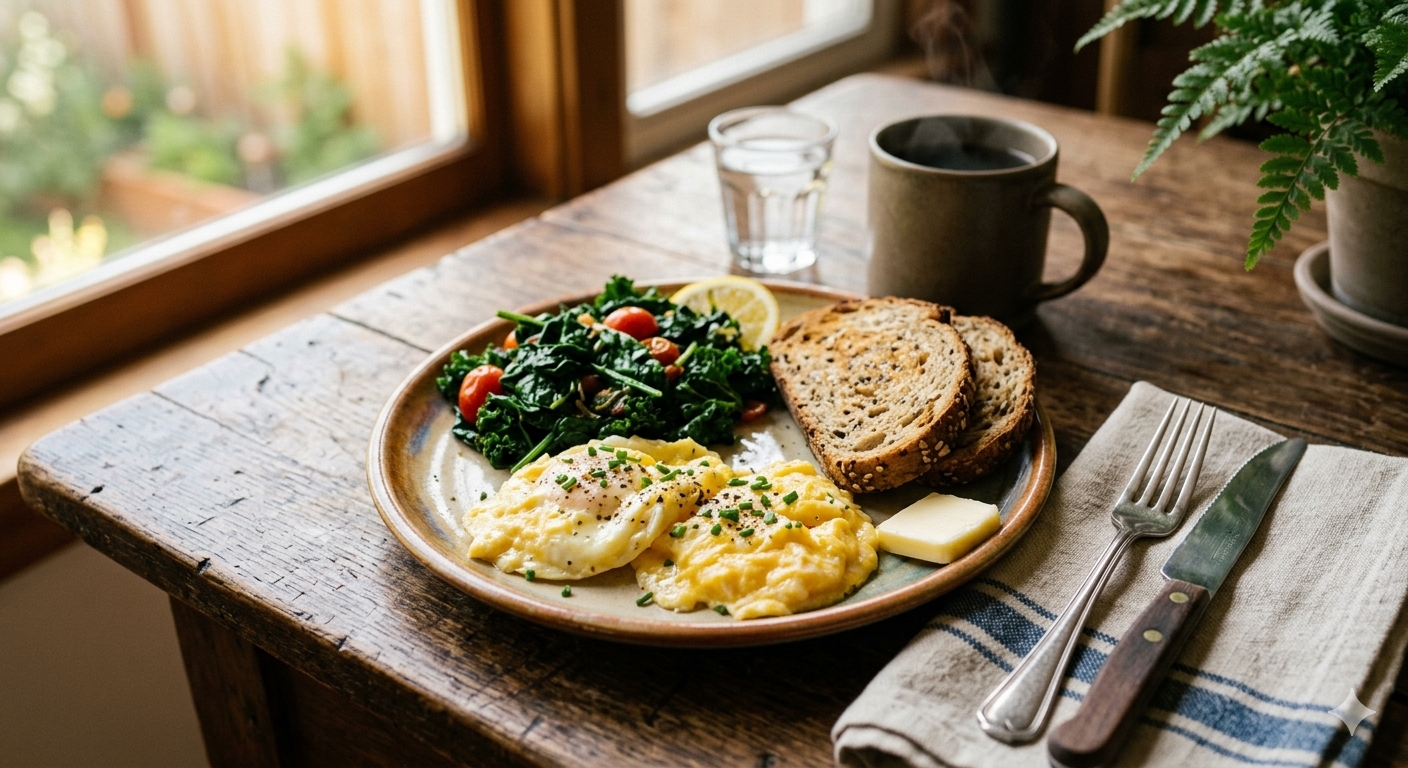
Your body doesn't process food the same way at 7am as it does at 11pm. That's the basic idea behind "circadian-aligned" or "bio-harmony" eating, one of the nutrition trends gaining real traction in 2026 — the idea that when you eat can matter almost as much as what you eat.
What the science actually says
Your body runs on roughly 24-hour internal cycles that regulate hormones, digestion, and blood sugar control. Insulin sensitivity — how efficiently your body handles glucose — tends to be higher earlier in the day and lower at night. That's the mechanism behind advice like "don't eat a large meal right before bed": it's not a myth, it reflects a real shift in how your body handles the same food at different hours.
What this looks like in practice
Circadian-aligned eating doesn't mean a rigid schedule. In practice it tends to mean: a more substantial breakfast or lunch rather than skipping straight to a heavy dinner, keeping consistent meal timing rather than eating at random hours day to day, and giving yourself a longer overnight gap between your last meal and first meal — not through extreme fasting, but simply not snacking right up until bedtime.
Where it connects to gut health
This approach overlaps with a second 2026 nutrition trend: eating for gut rhythm, not just gut content. Fermented foods, consistent fiber intake, and stable meal timing all support a more predictable digestive rhythm, which researchers increasingly link to steadier energy and mood throughout the day.
The bottom line
You don't need to overhaul your diet to benefit from this. Shifting slightly more of your daily food intake earlier, and giving your body a real overnight break from eating, is a low-effort change with a reasonable amount of science behind it — worth trying before reaching for anything more complicated.