Protein has quietly become the center of nutrition conversation in 2026 — not as a bodybuilding topic, but as a mainstream aging and weight-management one. The shift has a specific driver behind it, and it's not just marketing.
The real reason behind the trend
Part of it connects directly to the rise of GLP-1 weight-loss medications. These drugs are effective at reducing appetite and driving weight loss, but rapid weight loss without enough protein and strength training tends to take muscle along with fat — which is the opposite of what supports long-term metabolic health. That's pushed protein and resistance training back into the spotlight as the necessary counterbalance to fast weight loss.
What the actual guidelines say
Sports nutrition and fitness certification bodies generally recommend somewhere between 1.2 and 2.2 grams of protein per kilogram of body weight per day, depending on activity level and goals — considerably higher than the minimum intake designed just to prevent deficiency. Spreading that intake across meals, rather than loading it all at dinner, appears to support muscle maintenance more effectively than one large serving.
You don't need a shake for this
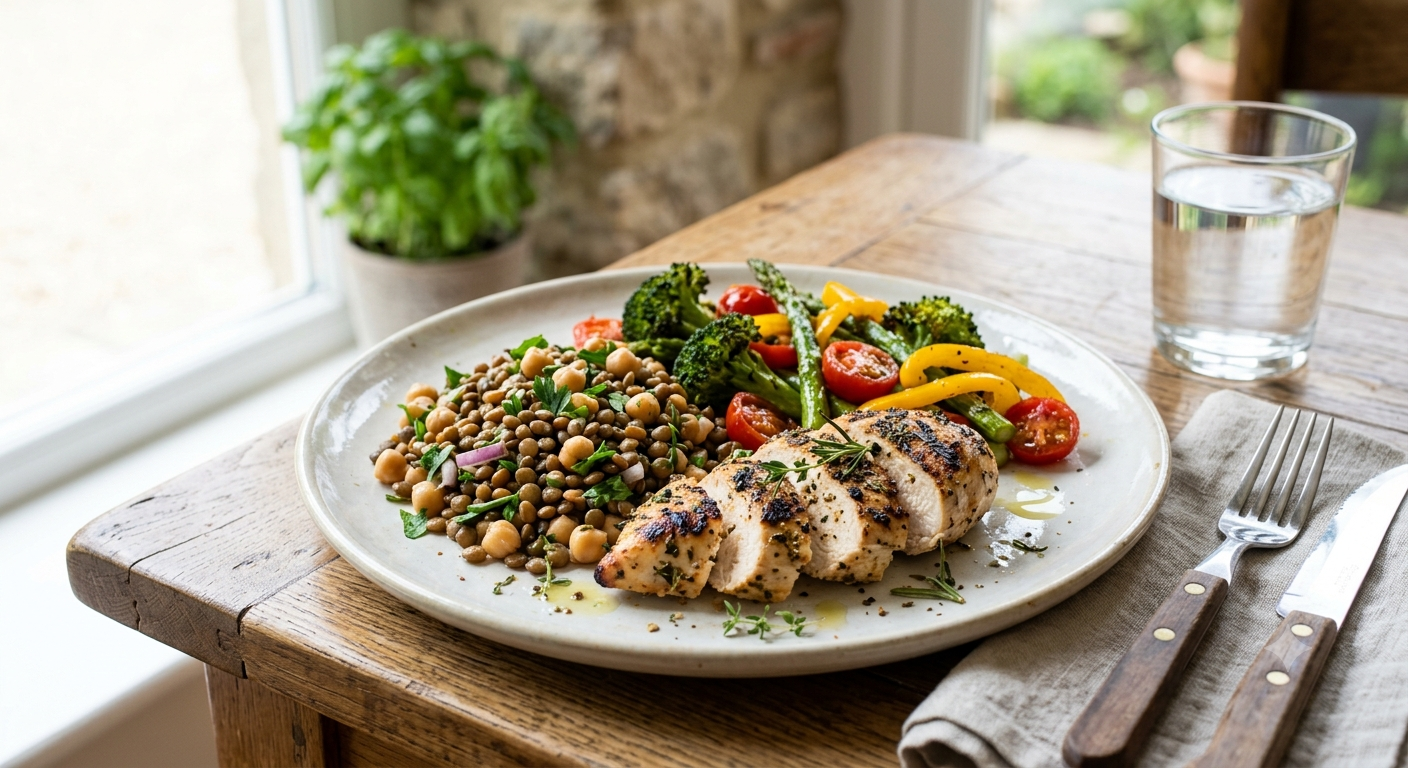
Whole-food sources — chicken, fish, eggs, dairy, tofu, legumes — cover this range for most people without needing powders or bars. Supplements can be a convenient top-up, particularly around workouts, but they're not required to hit these targets, and whole foods bring along other nutrients that isolated protein products don't.
The bottom line
The protein conversation is really a conversation about preserving muscle while managing weight — particularly relevant if you're also using weight-loss medication or reducing calories generally. Prioritizing protein at each meal, alongside regular strength training, is the well-supported version of this trend; a branded supplement stack is optional on top of that, not a substitute for it.